
Ghibli Style vs. Anime Art — Why the Magical Aesthetic Feels Different
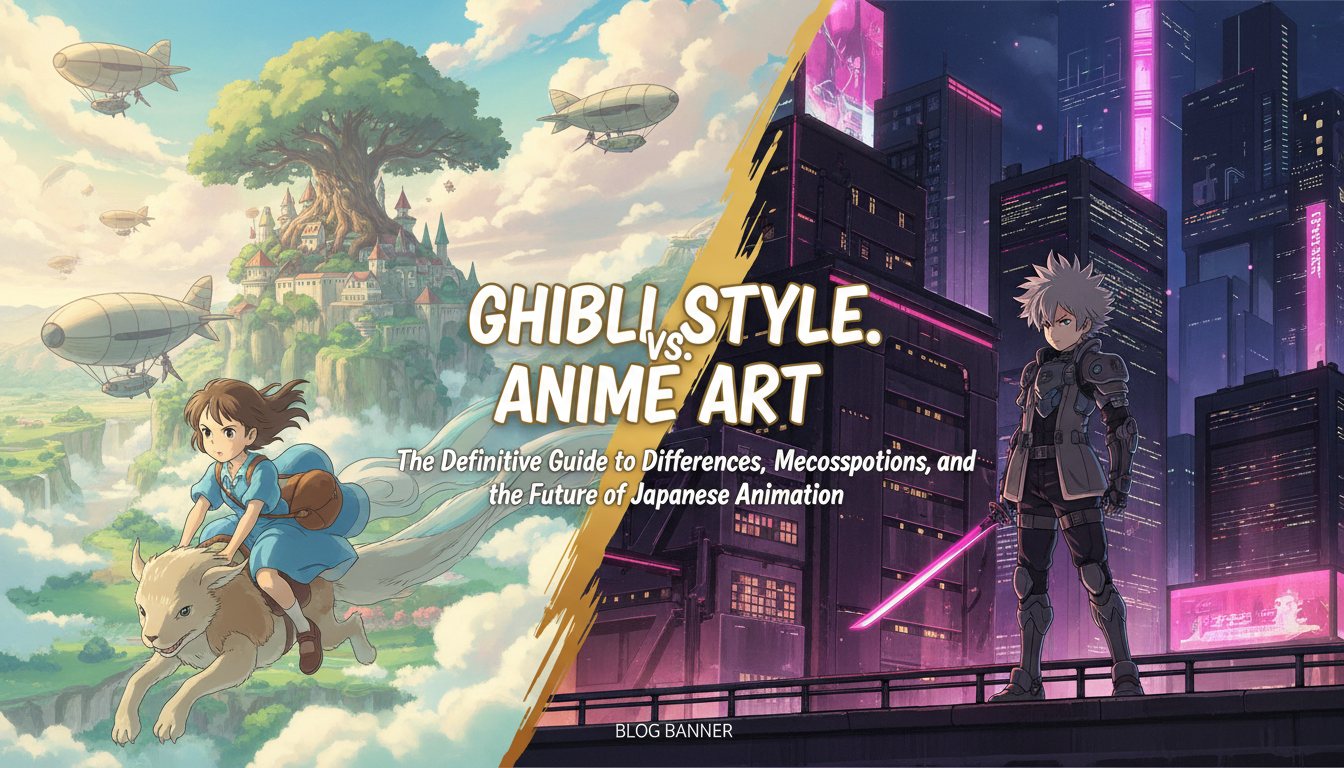
If you scroll through Instagram or TikTok for even a few minutes, you will see dozens of AI filters offering Ghibli-style transformations. These images are soft, dreamy, and emotionally warm. They perform exceptionally well on social media because they are instantly recognizable and visually appealing.
Here is why this matters now: anime's global audience is huge. Streaming services report massive audience numbers, with anime content generating over 1 billion views globally through major platforms' catalogs, and dozens of titles appearing regularly in global top charts. At the same time, Studio Ghibli's films (once largely unavailable on streaming) now reach international viewers through licensing deals with Netflix and Max.
This situation has created confusion. People know Studio Ghibli films are anime by origin, yet they look and feel very different from most Japanese animation. Before diving into the stylistic comparison, it is helpful to revisit the fundamentals of what Ghibli art is to ground the analysis in the core visual language and philosophy.
See Ghibli Style Transformation Live
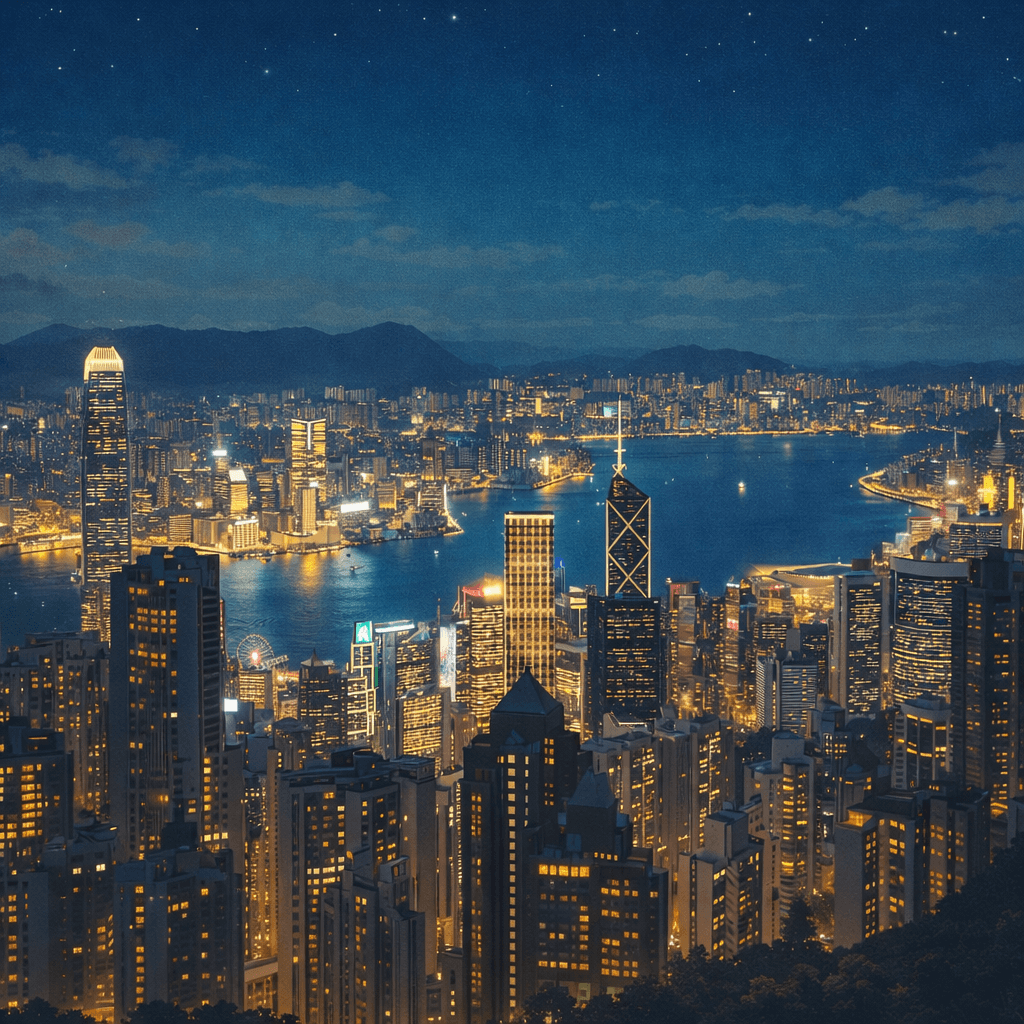
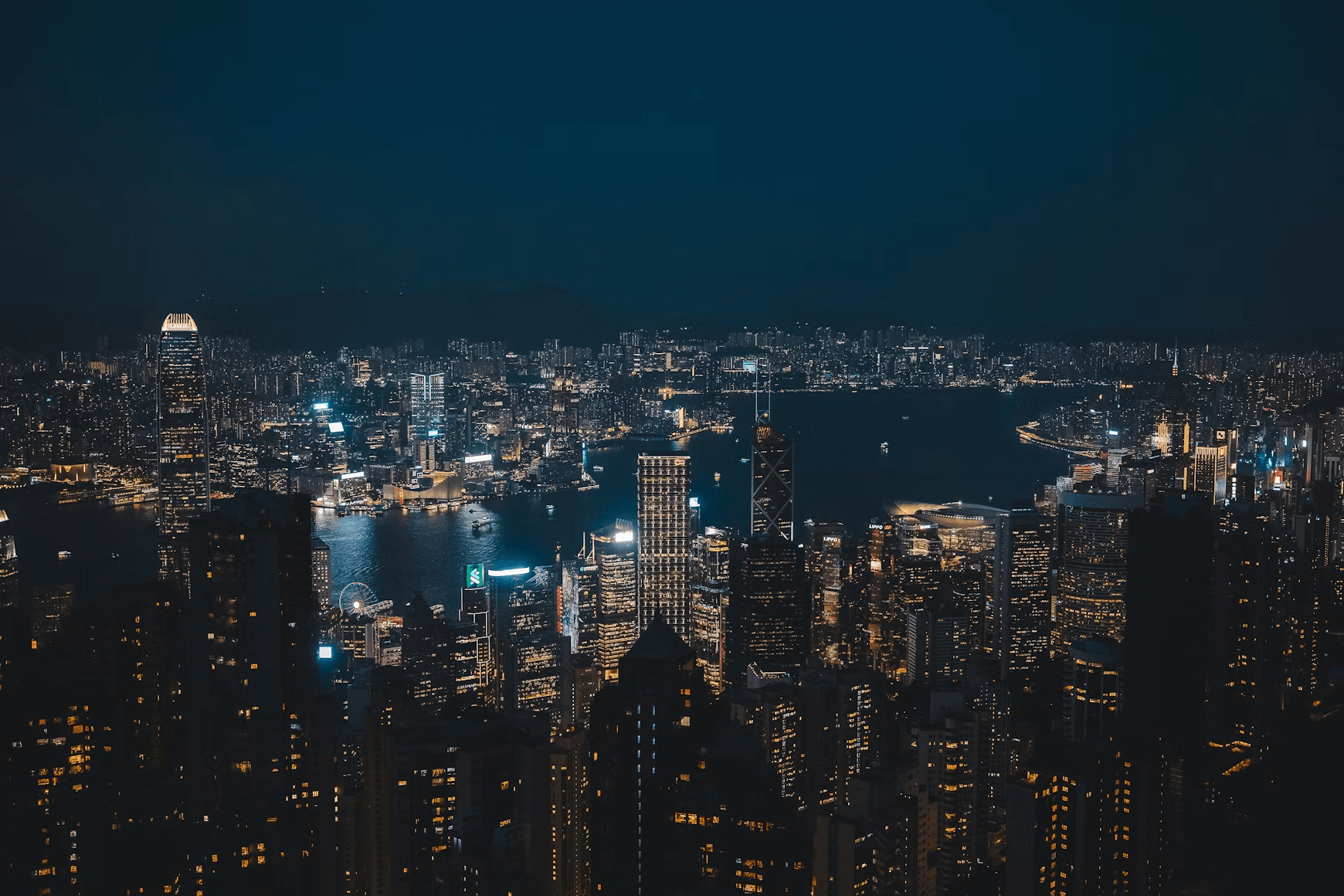
Use the slider below to compare original reference photos with Ghibli-inspired art styles. Select a tab to see different subjects transformed by our algorithm.
What Is the Key Difference Between Ghibli Style and Standard Anime?
Mainstream television anime series are often built under tight schedules, leading to the use of limited animation techniques (such as static backgrounds with moving mouths). Studio Ghibli, however, operates with a craft-first philosophy that treats everyday life and environments as characters. This distinction influences every stage of production, from initial storyboard writing to final cel-painting design.
What Is Anime?
Over time, production methods from manga (Japan's comic books) shaped anime's visual language, popularizing characters with prominent eyes, exaggerated expressions, and stylized hair. Rather than representing cost-cutting measures, these limited animation techniques evolved into a beloved, globally recognized style. By 2026, the global anime market had grown into a multi-billion dollar cultural powerhouse driving international entertainment, as analyzed in the BFI feature on anime's craft and history.
What Is Ghibli Style?
Founded in 1985 alongside producer Toshio Suzuki, Studio Ghibli built its reputation on hand-drawn craft and environmental themes. The studio's commitment to drawing-led discipline remains culturally iconic, which was highlighted by its acquisition by Nippon Television in late 2023 (The Guardian report on Ghibli's acquisition). This aesthetic worldview favors analog textures and emotional depth over modern digital action tropes.
How Do Ghibli and Anime Backgrounds Compare?
Under the guidance of legendary art directors like Kazuo Oga, Ghibli backgrounds utilize soft, natural colors and complex value groups to create painterly landscapes, painted with traditional gouache like Nicker poster colors (Nicker Poster Colour profile). Standard anime environments, meanwhile, rely heavily on clean digital shading and vector lines. According to art director Yoji Takeshige, controlling depicted humidity is a primary way to define spatial depth (It's Nice That publication on Ghibli backgrounds). This difference means Ghibli backgrounds tell their own quiet stories (a mossy stone, a winding dirt path) rather than serving as mere wallpaper behind the action.
How Do Ghibli and Anime Character Designs Differ?
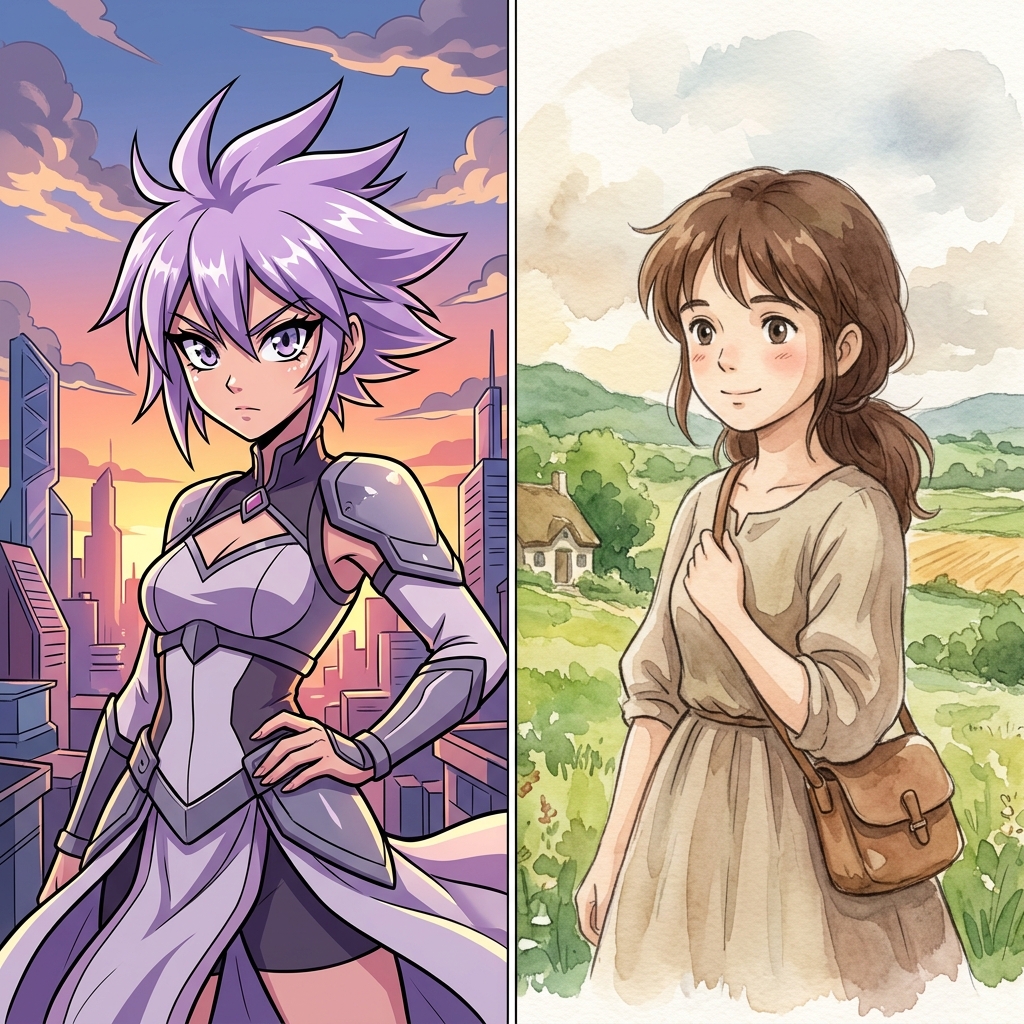
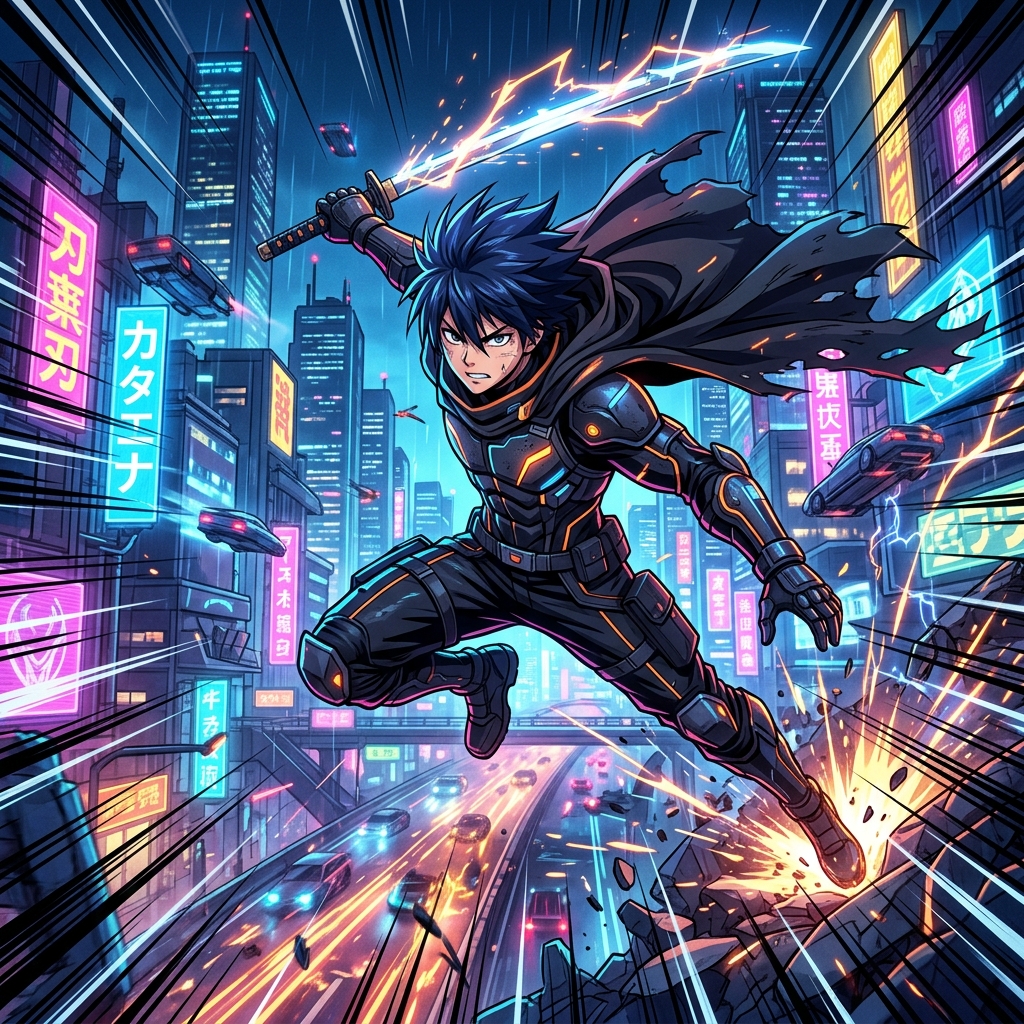
Ghibli's design philosophy keeps characters emotionally readable without relying on flashy costumes. Outlines remain clean and economical (letting character movements express feelings). Mainstream anime uses highly stylized features to help characters stand out on promotional merchandise and screens. This results in standard anime characters feeling like larger-than-life icons, while Ghibli characters feel like everyday people.
Why Does Ghibli's Storytelling Rhythm Feel Unique?
This structural choice shifts Ghibli's themes toward moral ambiguity, environmental responsibility, and growth through empathy. The Japanese concept of "ma" represents "emptiness" or "negative space" that allows scenes to breathe (Final Draft screenwriting analysis of Ma). Mainstream anime, particularly shonen series, centers on clear-cut arcs of friendship, training, and overcoming obstacles. These narrative pacing differences explain why standard anime feels like an energetic journey, while Ghibli films feel like quiet, nostalgic retreats.
Can AI Perfectly Replicate the Studio Ghibli Style?
The viral spread of Ghibli-style filters on TikTok and Instagram proves the aesthetic's enduring warmth and comfort. However, human authorship remains a key requirement for copyright protection under legal standards (US Copyright Law tracking on AI). Aspiring artists use these tools as references to study Gouache value mapping. But the true magic lies in the human choices made by animators and directors, which cannot be automated. Furthermore, the financial value of authentic hand-drawn Ghibli IP continues to surge, as shown by GKIDS and IMAX expanding their theatrical partnership (IMAX Gkids partnership announcement). Creators should use these tools responsibly for color testing rather than commercial copying.
Practical Guide for Creators
For Ghibli-Inspired Art
- Desaturated Palettes: Use soft or desaturated color selections rather than high-intensity fills.
- Observation: Study light transitions during the day to capture realistic color temperatures.
- Implied History: Add environmental details that suggest lived-in spaces (such as overgrown paths or weathered wood).
- Atmospheric perspectiva: Reduce contrast and cool down colors as objects recede in the distance.
For Mainstream Anime-Style Art
- Geometric Bases: Build characters using strong, sharp silhouettes and clear geometric construction.
- Visual Signifiers: Exaggerate facial proportions and eye sizes to convey emotions and character archetypes instantly.
- High Contrast: Apply dynamic linework and clean digital shading to emphasize action and energy.
Cultural Impact and Future
Ghibli's influence goes beyond Japan. Its success helped validate animation as a high-value artistic medium on the global stage. Mainstream anime has also grown into a worldwide industry, drawing millions of fans through streaming, games, and conventions.
The future of animation likely involves more hybrid styling. While virtual reality and new rendering tools offer fresh opportunities, they will challenge creators to balance narrative pacing, depth, and the emotional resonance that only hand-crafted details can provide.
Final Reflection
What truly separates Ghibli from much of standard anime is its worldview. Ghibli invites the audience to slow down, notice the environment, and find meaning in everyday moments. Standard anime focuses on dynamic momentum, intense conflicts, and rapid-fire emotional arcs. Both approaches carry immense value; recognizing their distinct rules allows us to appreciate each style more deeply.